Die Mendelssohn-Ersetzung: warum sie zählt
Von allen oben genannten Fakten ist der Mendelssohn-Auftrag derjenige, der mit ins Klassenzimmer kommt. Wer Orff unterrichtet, lehrt Kinder über einen Mann, der die Stelle eines Komponisten übernahm, den die Nationalsozialisten wegen jüdischer Abstammung auslöschten. Das gehört in den Mittelpunkt der Unterrichtsstunde, nicht in den Hintergrund.
Felix Mendelssohn war keine Randfigur, und seine Berufung war die Bewahrung. 1829, im Alter von zwanzig Jahren, dirigierte er die Aufführung von Bachs Matthäus-Passion durch die Berliner Singakademie, die Bach nach fast einem Jahrhundert der Vernachlässigung wieder ins deutsche Konzertrepertoire zurückbrachte. In Leipzig ließ er das erste öffentliche Denkmal für Bach errichten. Er setzte sich für Beethoven und Schubert ein, als ihre Musik aus dem Blickfeld zu verschwinden drohte. 1843 gründete er das Leipziger Konservatorium und baute es zur führenden Einrichtung ihrer Art in Europa aus, wo er der nächsten Generation einen deutschen Musikkanon beibrachte, den sie sonst nicht gekannt hätte. Seine Bühnenmusik zu Shakespeares Ein Sommernachtstraum war bis 1933 die Musik, die in Deutschland zu dem Stück erklang. Seine Karriere war ein Werk der Wiederherstellung: die Toten wieder hörbar machen, den Kanon erweitern und die Menschen ausbilden, die diese Musik weitertragen würden.
Er war auch, dem Glauben und der Lebenspraxis nach, Christ. Er wurde 1816 als Kind lutherisch getauft. Seine Familie hatte den Namen „Bartholdy" angenommen, um die Konversion sichtbar zu machen. Er war evangelischer Christ, schrieb geistliche Musik für den protestantischen Gottesdienst, darunter die Oratorien Elias und Paulus, und lebte sein gesamtes Leben als deutscher Christ. Das NS-Regime verbot seine Musik dennoch, weil die NS-Ideologie Jüdischsein über Abstammung definierte, nicht über Glauben oder Selbstverständnis. Die Konversion, die die Familie unter anderem unternommen hatte, um antisemitischer Ausgrenzung zu entgehen, hat seine Musik am Ende nicht vor antisemitischer Auslöschung geschützt.
Carl Orffs Berufung war das Gegenteil. Er verwendete das Verb „einstampfen", das eigene Wort des Regimes für die Vernichtung jüdischer Musik und ihrer Urheber, um seine Haltung zu seinem früheren Werk zu beschreiben. Er datierte sein gesammeltes Werk so, dass es mit der nationalsozialistischen Machtübernahme begann, eine persönliche Stunde Null, die seine eigene Chronologie an die des Regimes anglich. In der Nacht zum 10. November 1936, auf den Tag genau zwei Jahre vor der Reichspogromnacht, wurde das Leipziger Mendelssohn-Denkmal vor dem Gewandhaus auf Befehl des stellvertretenden Bürgermeisters Rudolf Haake abgerissen. Haake nutzte die Abwesenheit des Oberbürgermeisters Carl Friedrich Goerdeler, der zu einer Vortragsreise nach Finnland aufgebrochen war. Haakes Begründung: ein Jude könne nicht als Repräsentant einer deutschen Musikstadt geehrt werden. Goerdeler trat daraufhin zurück. Am nächsten Morgen erschien der Dirigent Thomas Beecham mit Mitgliedern des Royal Philharmonic Orchestra, um am Sockel des Denkmals einen Kranz niederzulegen, und fand einen leeren Sockel vor. Das NS-Regime gab daraufhin Ersatzpartituren für den Sommernachtstraum bei deutschen Komponisten in Auftrag, die bereit waren, die Lücke zu füllen. Mehrere lehnten ab. Werner Egk schlug 1934 ein großzügiges Honorar mit Druckzusage aus. Richard Strauss lehnte ab. Selbst der Antisemit Hans Pfitzner verweigerte sich mit den Worten: „Stell Dir vor, ich bin angegangen worden mit der Bitte, eine neue Sommernachtstraum-Musik zu komponieren, da die des Juden Mendelssohn nicht mehr tragbar sei. So eine Schweinerei! Na, ich habe den Burschen Bescheid gegeben." Pfitzner hielt Mendelssohns Original für besser als alles, was er selbst hätte schreiben können. Orff nahm den Auftrag 1938–1939 an.
Neuere Forschung von Prof. Alexandra Kertz-Welzel (LMU München, 2023) bestätigt, dass Orff von Anfang an wusste, dass der Auftrag als Ersatz für die verbotene Mendelssohn-Partitur diente. Sein Verleger hatte Bedenken. Er machte trotzdem weiter. Seine Ersatzpartitur wurde am 14. Oktober 1939 in Frankfurt uraufgeführt. Er nahm einen Auftrag an, dessen ganze Grundlage darin bestand, dass Abstammung über das tatsächliche Leben, den Glauben und den Beitrag eines Menschen zur deutschen Kultur hinwegging.
Mendelssohn-Remise. Jägerstraße 51, 10117 Berlin. Täglich 12:00–18:00 Uhr. Eintritt frei, Spenden willkommen. Ständige Ausstellung „Die Mendelssohns in der Jägerstraße".
Wessen Werk ist das eigentlich?
Das Schulwerk, die berühmte Pädagogik, die weltweit Orff zugeschrieben wird, war nicht sein Werk. Neueste Forschung hat deutlich gemacht, dass die beiden Personen, die am meisten für seine Entstehung verantwortlich sind, systematisch aus der Überlieferung gelöscht wurden. Orffs Name wurde angeheftet; die Namen von Keetman und Kestenberg wurden entfernt. Diese Entscheidung verdient eine kritische Überprüfung.
Gunild Keetman (1904–1990) wird in der aktuellen Forschung als die eigentliche Urheberin des musikpädagogischen Ansatzes beschrieben, der als Schulwerk bekannt ist und dem Orff seinen Namen gab. Sie arbeitete mit Orff an der Reigenmusik für das Berliner Olympia-Festspiel Olympische Jugend von 1936 und übernahm die Probenleitung sowie die Leitung der Musiker bei der Aufführung. Die 2004 gesichteten Originalautographen zeigen die Orchesterpartitur in Orffs Hand und eine zweistimmige Bearbeitung in Keetmans Hand, mit beiden Namen auf der Copyright-Erneuerung. Die offizielle Komponistenzuschreibung erhielt Orff allein. Sie war Mitautorin der fünf Bände Musik für Kinder. Sie übernahm den Großteil des tatsächlichen Unterrichts in den frühen Jahren der Bewegung. Sie leitete die Radio- und Fernsehsendungen, die das Schulwerk in den 1950er Jahren in ganz Deutschland bekannt machten. Keetman wurde fünfzig Jahre lang aus ihrem eigenen Werk gelöscht. Eine Schott-Monografie über ihr Werk stellt fest, dass sie ihr ganzes Leben im Schatten Orffs verbrachte, obwohl sie die künstlerische und pädagogische Qualität der Elementaren Musik wesentlich mitgestaltete. Es heißt „Orff-Schulwerk" und nie „Orff-Keetman-Schulwerk". Lehrkräfte lassen Orffs Namen auf dem Umschlag stehen. Keetmans Namen entfernen sie. Ihren Namen wieder auf die Materialien zu setzen, die Kinder benutzen, ist eine der einfachsten Korrekturen, die ein Klassenzimmer vornehmen kann.
Leo Kestenberg (1882–1962) war ein jüdischer Pianist, Musikpädagoge und preußischer Ministerialbeamter, dessen Reformen der 1920er Jahre (die Kestenberg-Reform) die schulische Musikerziehung in Deutschland neu ordneten. Seine Schrift Musikerziehung und Musikpflege von 1921 legte erstmals einen umfassenden Plan für die Musikerziehung vom Kindergarten bis zur Universität vor. Seine pädagogische Philosophie wurde durch den Satz beispielhaft ausgedrückt: „Erziehung zur Menschlichkeit mit und durch Musik."
Kestenberg ist nicht vergessen. Die Internationale Leo-Kestenberg-Gesellschaft ist Hüterin seines Erbes und führt eine laufende Vortragsreihe zu seiner Pädagogik. Sie ist assoziierter Partner eines DFG-Forschungsprogramms zum jüdischen Kulturerbe, das bis 2025 läuft. Die Leo-Kestenberg-Musikschule in Berlin-Schöneberg trägt seinen Namen und eröffnete im Oktober 2023 den Maria-Leo-Saal, benannt nach einer weiteren Berliner Musikpädagogin, die die Nazis 1942 in den Tod trieben. Jede institutionelle Ebene oberhalb des Klassenzimmers tut ihren Teil. Das Klassenzimmer nicht. Was im Schulwerk-Unterricht weithin gelehrt wird, schreibt weiterhin Orff und nur Orff zu. Das Argument dieses Leitfadens liegt in der Asymmetrie: Kestenberg ist nicht vergessen worden, er wird aus vielen Stunden herausgehalten, in denen sein Name erscheinen müsste, während Orff aktiv an seiner Stelle gespielt wird. Die Lücke zwischen wissenschaftlicher Bewahrung und Unterrichtspraxis wird seit 1933 offengehalten.
Der Grund, weshalb die Forschung Kestenberg so spät anerkannte, ist derselbe, aus dem Keetman nie gewürdigt werden konnte. Die NS-Kulturpolitik löschte den jüdischen Reformer 1933, die deutsche Musikerziehung der Nachkriegszeit hielt diese Auslöschung im Lehrplan, der die Kinder erreicht, aufrecht, und die Frau, die den Großteil der eigentlichen Pädagogik entwickelte, verbrachte ihre Karriere im Schatten des Mannes, dessen Name den ihren ersetzte. 1933, unmittelbar nach der Machtergreifung der Nazis, wurde Kestenberg ins Exil gezwungen, während die Nazis alle sichtbaren Spuren seines Vermächtnisses auslöschten. Er floh 1933 nach Prag, musste erneut nach Paris weiterziehen und gelangte schließlich nach Palästina, wo er ein Musiklehrerseminar gründete. Er war Mitbegründer der International Society for Music Education und einer ihrer ersten Ehrenpräsidenten.
Eine Berliner Schule trägt Kestenbergs Namen. Die Berliner Grundschule, die dieser Leitfaden dokumentiert, schreibt das Schulwerk allein Orff zu und löscht damit eine Geschichte, die der Rest der Stadt längst kennt.
Maria Leo (1873–1942) war eine Berliner Pianistin und Musikpädagogin, die der Nationalsozialismus unter den Nürnberger Gesetzen als Jüdin verfolgte. Sie gründete 1911 das erste Seminar für Instrumentallehrkräfte und forderte die Reformen, die Leo Kestenberg später umsetzte. Die offizielle Berliner Gedenktafel hält fest, dass Kestenbergs Weimarer Reformen das in die Praxis umsetzten, was Maria Leo bereits Jahrzehnte zuvor gefordert hatte. Sie war neben ihrer pädagogischen Arbeit auch Frauenrechtlerin. Die Nazis erteilten ihr Berufsverbot. Am 2. September 1942 wählte sie mit 68 Jahren den Tod, statt nach Theresienstadt deportiert zu werden.
Berlin würdigte sie 2023 auf drei neue Weisen, neben ihrem bereits bestehenden Stolperstein. Im März wählte die Maria-Leo-Grundschule in Berlin-Pankow ihren Namen in einem demokratischen Verfahren. Im Oktober eröffnete die Leo-Kestenberg-Musikschule in Schöneberg den Maria-Leo-Saal im Haus am Kleistpark. An ihrem 150. Geburtstag, dem 18. Oktober 2023, wurde am selben Gebäude eine Gedenktafel auf Initiative der Leo-Kestenberg-Musikschule eingeweiht, mit Vorträgen und einem Konzert mit Werken von Komponistinnen. Der Stolperstein für sie in der Pallasstraße 12 in Schöneberg, dort wo sie wohnte, liegt schon länger dort.
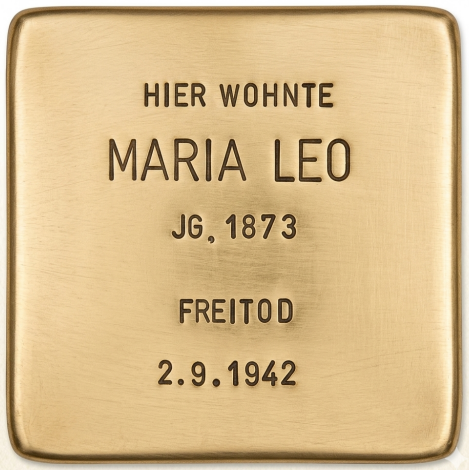
Maria Leos Stolperstein, Pallasstraße 12, Berlin-Schöneberg. HIER WOHNTE / MARIA LEO / JG. 1873 / FREITOD / 2.9.1942. Die Nationalsozialisten erteilten ihr 1933 Berufsverbot, weil sie Jüdin war. Am 2. September 1942 nahm sie sich das Leben, statt sich von den Nationalsozialisten deportieren zu lassen. Um diese Zeit begann Carl Orff, ein Gehalt von Gauleiter Baldur von Schirach zu beziehen, für die Aneignung der Berliner musikpädagogischen Tradition Maria Leos und Leo Kestenbergs. Das Konzept des Orff-Schulwerks waren Hitlerjugend-Programme, aus denen jüdische Kinder ausgeschlossen waren. Die Nationalsozialisten hatten Orff bereits dafür bezahlt, Mendelssohn auszulöschen, weil er Jude war. Foto: OTFW, Berlin (CC BY-SA 3.0), via Wikimedia Commons.
Wenn Sie diesen Stolperstein betrachten und das Gehalt, das Orff aus dem bezog, wofür der Stein steht, dann fragen Sie sich, warum eine Berliner Grundschule Kindern ein Heft in die Hand gibt, das allein Orff würdigt.
Das Muster ist konsistent. Der jüdische Reformer, der den pädagogischen Rahmen schuf, den das Schulwerk später füllte, wurde ins Exil gezwungen und aus den deutschen Aufzeichnungen gelöscht. Die Berliner Musikpädagogin, die diesen Rahmen vor ihm forderte, wurde in den Tod getrieben. Berlin würdigte sie 2023 mit einer Schule, einem Saal und einer Gedenktafel, neben dem bereits vorhandenen Stolperstein. Keines davon kommt im Schulwerk-Unterricht vor. Die Frau, die den Großteil der eigentlichen Pädagogik entwickelte, verbrachte ihr Leben ohne Anerkennung. Doch der Mann, dessen Name auf allem steht, ist jemand, der nicht ohne Kontext für seine Rolle im Nationalsozialismus erwähnt werden sollte. Kindern wird beigebracht, Orff zu verehren, während die pädagogisch viel relevanteren Namen Mendelssohn, Kestenberg, Maria Leo und Keetman im untersuchten Heft nicht vorkommen.